7 Essential Steps for Travel to South Africa for the Sardine Run
Key takeaways
- The Sardine Run is the largest marine feeding frenzy on Earth involving millions of sardines.
- Mbotyi on South Africa's Wild Coast is a prime location for witnessing the Sardine Run.
- SEAL Expeditions and Mbotyi River Lodge offer specialized tours and accommodations.
- Participants can see dolphins, Bryde's whales, sharks, and seabirds hunting the sardines.
- Travel logistics include flying into Johannesburg or Durban and transferring to Mbotyi.
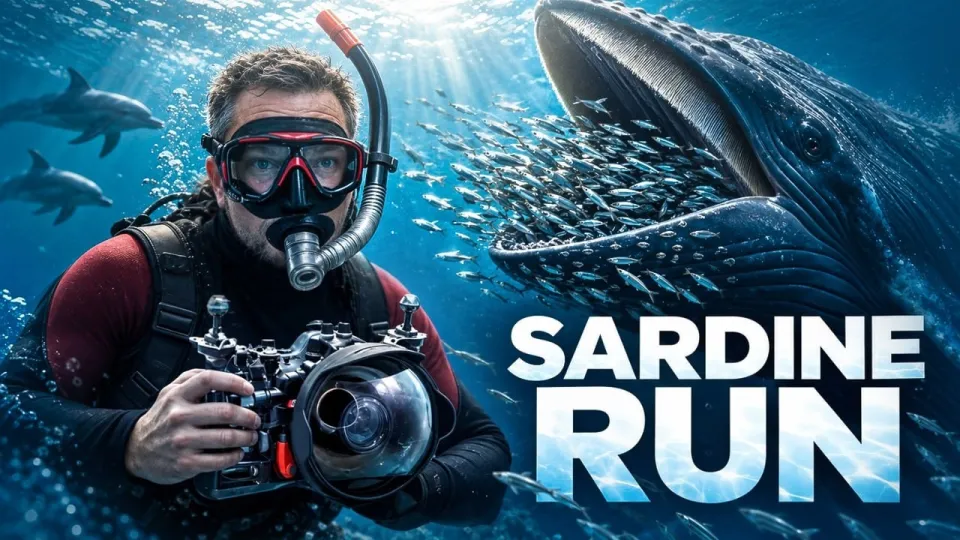
Video: Travel to South Africa for the Sardine Run: Is It Worth It?
Travel to South Africa for the Sardine Run is an unforgettable experience that few natural phenomena can match. To witness millions of sardines migrating along the Wild Coast, surrounded by dolphins, whales, sharks, and birds, requires careful planning and local expertise. This guide summarizes seven essential steps to help you prepare and enjoy your trip to see the Sardine Run in South Africa.
1. Understand the Sardine Run Phenomenon
The Sardine Run is the greatest shoal migration on Earth, where millions of sardines travel northward along South Africa's eastern coast, primarily during the austral winter months. This migration triggers a massive feeding frenzy involving a variety of marine predators such as dolphins, Bryde's whales, sharks, and seabirds. The sardines form dense bait balls, which attract these predators, creating spectacular wildlife viewing opportunities both above and below the water.
2. Choose the Best Location: Mbotyi on the Wild Coast
Mbotyi, located on South Africa's Wild Coast in the Eastern Cape, is considered one of the best spots to observe the Sardine Run. Its relatively untouched coastline offers excellent access to the migration routes and nearby marine life. The area is less crowded than other tourist destinations and provides a raw, adventurous atmosphere that complements the natural spectacle.
3. Book with SEAL Expeditions and Stay at Mbotyi River Lodge
SEAL Expeditions specializes in organizing Sardine Run tours, offering experienced crews, boats, and gear tailored for the event. Their partnership with Mbotyi River Lodge provides comfortable accommodation close to the launch points. This setup allows guests to experience daily adventures, including surf launches into the ocean and guided spotting flights that locate the migrating sardines by observing seabird activity.
4. Prepare for the Adventure: Gear and Daily Routine
The Sardine Run requires early mornings and readiness to launch boats from wild surf beaches. Tour participants should be prepared with wetsuits, snorkeling or diving gear, and safety equipment. The daily routine typically begins with a dawn briefing, followed by boat launches through the surf to find the sardines. Spotter planes help locate bait balls by tracking seabirds diving into the water.
5. Witness the Feeding Frenzy and Swim with Marine Giants
When the sardines are found, guests witness an intense feeding frenzy where dolphins herd sardines into tight bait balls, attracting sharks and Bryde's whales. Swimming alongside a Bryde's whale is a rare and extraordinary opportunity offered by some tours. Other common sightings include humpback whales and both common and bottlenose dolphins, making the experience rich in marine biodiversity.
6. Explore Additional Activities Around Mbotyi
Beyond the Sardine Run, the Wild Coast offers stunning landscapes such as canyons, waterfalls, and unspoiled beaches. Activities include microlight flights over Magwa Falls, sunset hikes with picnics, and visits to waterfalls that cascade directly into the ocean. The local culture includes South African braais (barbecues) and opportunities to meet tour operators and lodge founders, enriching the overall travel experience.
7. Know Who the Sardine Run Is For and Manage Expectations
The Sardine Run is an adventurous trip suited for wildlife enthusiasts and travelers who appreciate raw nature and active exploration. It is not a luxury beach resort experience; the surf launches, weather, and marine conditions can be challenging. Understanding the unpredictable nature of wildlife sightings and the physical demands of the trip will help visitors fully enjoy this unique event.
Conclusion
Travel to South Africa for the Sardine Run offers a once-in-a-lifetime chance to witness one of the planet's greatest natural spectacles. By following these seven essential steps—understanding the event, choosing the right location, booking with expert operators like SEAL Expeditions, preparing properly, engaging with the wildlife, exploring the surroundings, and setting realistic expectations—you can maximize your experience. This guide is based on insights from the channel ZAVID OFF, whose detailed travel vlog captures the awe and adventure of the Sardine Run.
For anyone dreaming of adventure travel and marine wildlife encounters, South Africa's Sardine Run is truly worth the journey.
Source: Travel to South Africa for the Sardine Run: Is It Worth It? · Markdown version
Questions & answers
When is the best time to see the Sardine Run in South Africa?
The Sardine Run typically occurs during the austral winter months, from May to July, when millions of sardines migrate along the eastern coast of South Africa.
What wildlife can I expect to see during the Sardine Run?
You can expect to see millions of sardines, dolphins herding them, Bryde's whales, humpback whales, sharks, bottlenose and common dolphins, and numerous seabirds diving for fish.
How do I get to the Sardine Run viewing locations?
Most travelers fly into Johannesburg or Durban and then transfer to the Wild Coast area near Mbotyi. From there, specialized expeditions like SEAL Expeditions provide boat launches and guided tours.
Is swimming with whales during the Sardine Run safe?
Swimming with Bryde's whales is a rare and carefully managed activity offered by experienced operators. It is generally safe when conducted under expert supervision with proper safety measures in place.